
About Sustainabled

Our Story

Design Sustainable Excellence.
We are an award-winning team of sustainability specialists, process excellence professionals, and sustainable design architects dedicated to designing for sustainable strategy, operation, and the built environment. With over a decade of experience, Sustainabled offers a unique value proposition by incorporating Lean Six Sigma (LSS) continuous improvement (CI) methodologies with systems thinking, sustainability, and design thinking.

Working Hours

Monday - Friday 09:00AM-17:00PM
Saturday - Sunday CLOSED

Latest News

Welcome to the Sustainabled

info@thesustainabled.com

+1 416 963 9777

0
  • No products in the cart.
Top

Alamoot Eco-Village: Where Innovation shapes a Sustainable Vision

In the breathtaking mountainous terrain of Alamoot, where history, culture, and nature converge, the Alamoot Eco-Village is envisioned as a beacon of innovation and sustainable development. The region, rich in natural beauty and cultural heritage, was once the historical capital of the Ismailis, renowned for its strategic location and its ancient trade in herbal products. This unique blend of historical, community, and cultural capital forms the foundation for a visionary project that has captured global attention by winning two prestigious awards at the MIPIM Future Projects Awards in Cannes, 2008. Recognized for its groundbreaking approach in both the “Sustainability” and “Regeneration and Masterplanning” categories, this project reflects the future of inclusive, sustainable, and resilient tourism and rural development.

A Holistic Approach for Sustainable Tourism


The Alamoot Eco-Village was envisioned as a pioneering response to the pressing challenges faced by the region, such as rural migration, economic stagnation, and the gradual loss of cultural identity. By focusing on the five interconnected pillars of rural tourism development—natural, financial, social (encompassing historical, community, and cultural capital), and human capital—the project aimed to create a self-sustaining community. This vision sought not only to attract visitors but also to ensure that the economic benefits of tourism were equitably distributed through a shared value model that benefits local residents as well.

Central to this vision was the holistic approach adopted by the design team, which extended beyond the creation of a sustainable built environment to encompass a systems-level strategy—designing not only the physical spaces but also the integrated functions, activities, and economic dynamics envisioned to shape the village’s long-term vitality.

terraces
Untitled (600 x 398 px) (1)

A Hub for Regenerative Placemaking


Conceived as a self-sustaining development, Alamoot Village is designed to serve as a nexus for a broad spectrum of tourists—from those seeking well-being and leisure to cultural enthusiasts, agri-tourists, researchers, and athletic travelers. The project is envisioned as a vibrant hub that connects these diverse groups with the local community, fostering deep connections with the region’s rich natural and cultural heritage. By doing so, it aims to empower the local economy, regenerate natural capital, and restore the cultural context that has defined the Alamoot region for centuries.

This regenerative placemaking approach not only revitalizes the community but also creates an inclusive space where the local population and visitors can interact, share experiences, and collectively contribute to the preservation and enhancement of the region’s cultural, natural, and economic assets.

Central to this vision was the holistic approach adopted by the design team, which extended beyond the creation of a sustainable built environment. While integrating environmental sustainability into the project's foundation, the approach also encompassed the strategic planning of the village’s future activities and functions, ensuring that social, economic, and environmental dimensions were interwoven into all layers of the system from the outset.

Strategic Innovation in Sustainable Architecture


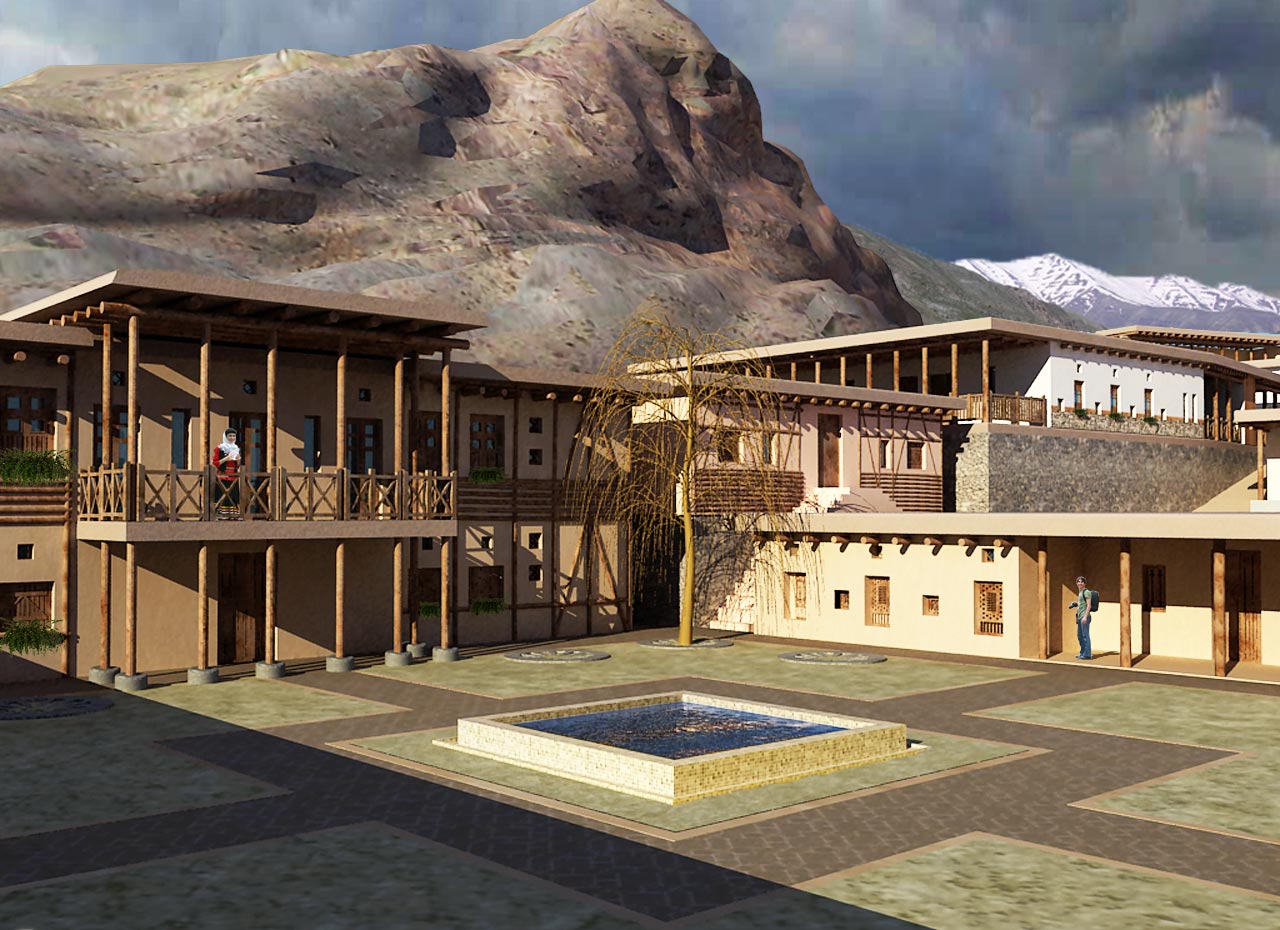
What distinguishes the Alamoot Eco-Village is its innovative approach to planning and design, which revitalizes and reinterprets the principles of sustainable architecture deeply rooted in the region’s history. The design team, drawing inspiration from the wisdom embedded in the region’s vernacular architecture, has enhanced these time-honored practices with cutting-edge construction techniques and global best practices. This fusion of traditional knowledge with modern innovation has led to the development of sustainable resource management solutions that are both regenerative and restorative.

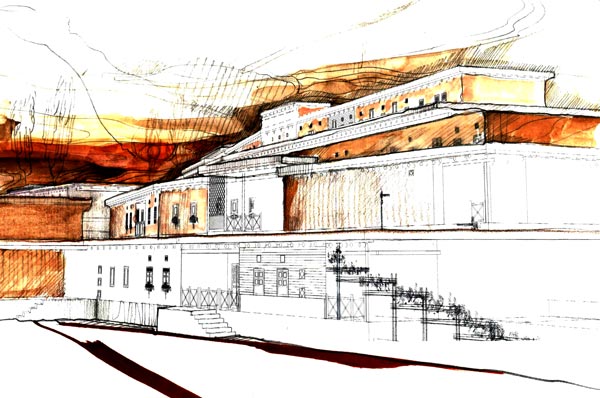
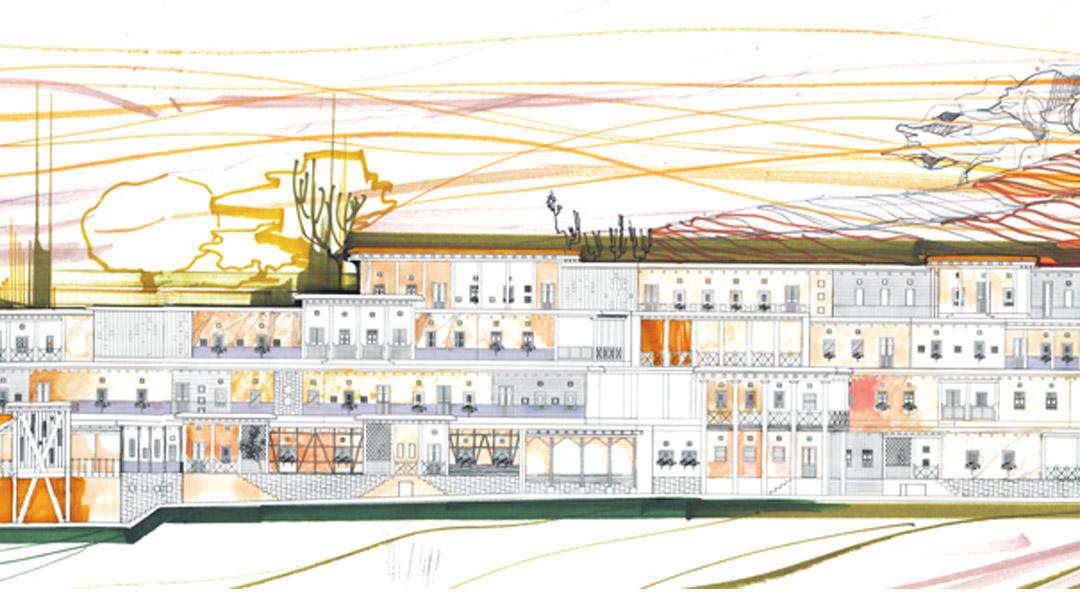
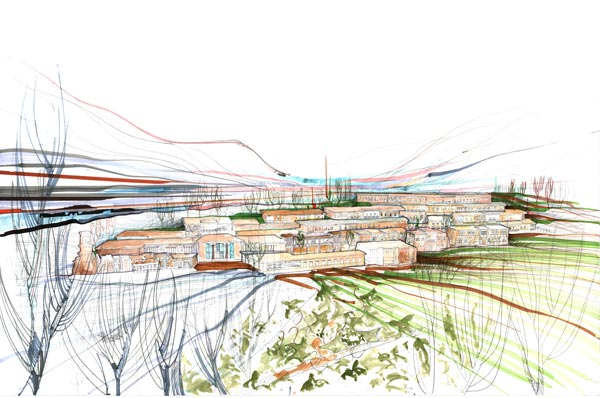
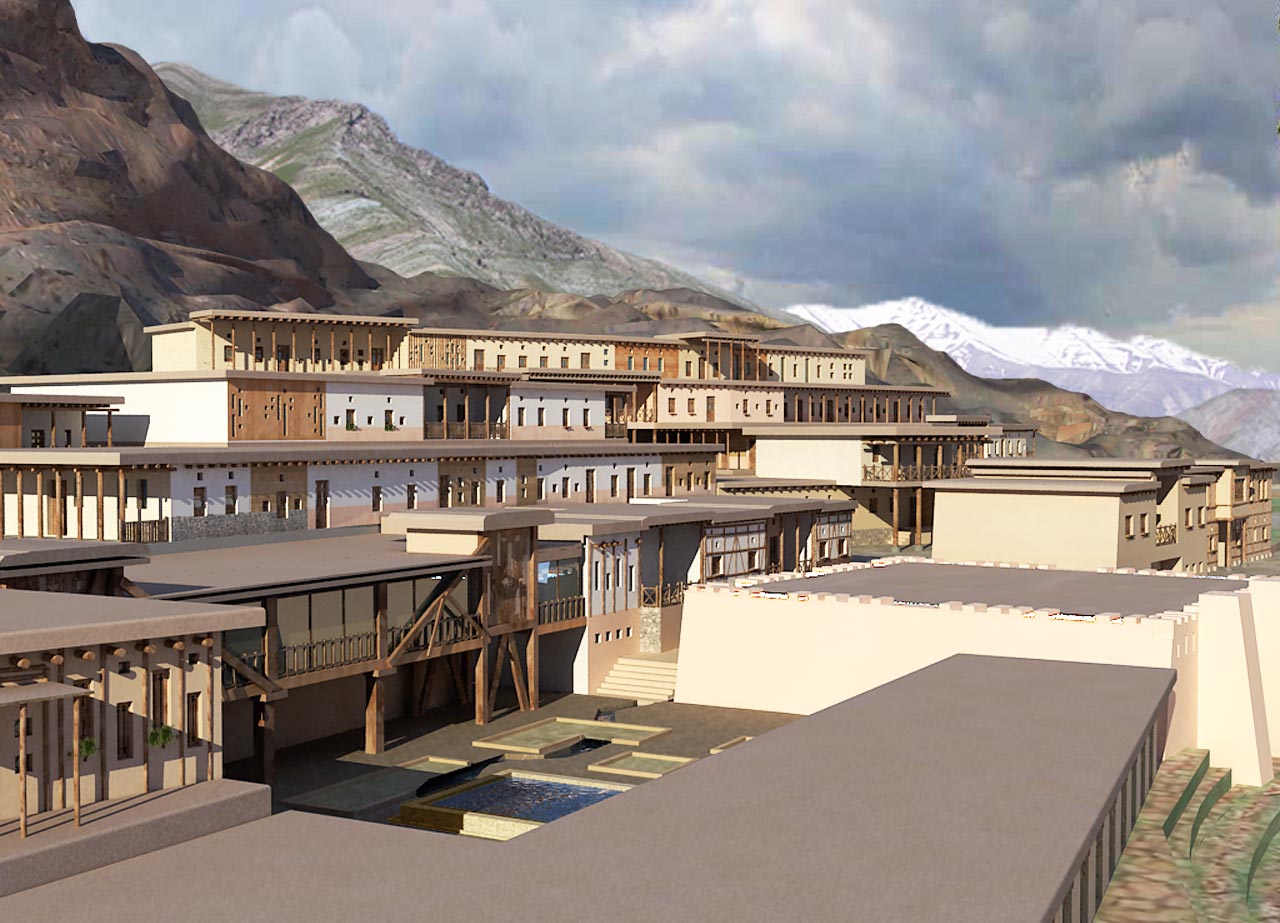
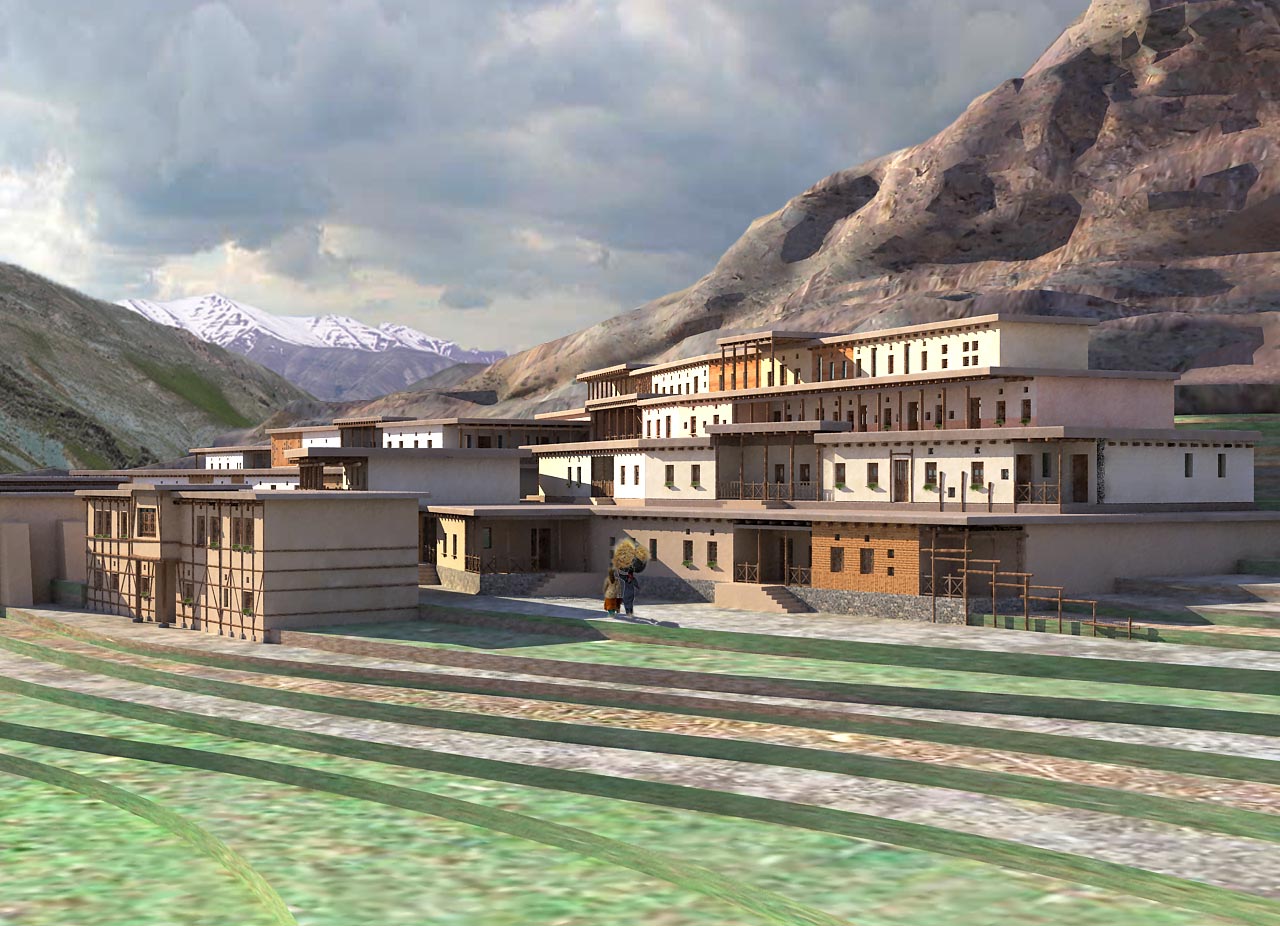
At the core of the project lies a strategic focus on sustainable management of natural resources—water, energy, and materials. The village layout, designed to harmonize with the terrain’s natural cascading terraces, incorporates passive design strategies that optimize energy efficiency and reduce its ecological footprint while ensuring the comfort and well-being of its inhabitants.

ICT-copy
restaurant

A Regenerative and Restorative Approach


The Alamoot Eco-Village is designed to be more than just environmentally friendly; it is meant to be a net-zero and eventually net-positive development in its operations. This means that the project not only aims to reduce its environmental impact but also to regenerate and restore the natural resources it relies on.

The strategic planning prioritized the conservation of natural resources, the enhancement of local biodiversity, and the regeneration of the natural landscape. The project was designed to minimize environmental impact through the use of sustainable materials, energy-efficient systems, and innovative water management strategies.Additionally, renewable energy sources, including solar collectors, are planned to be deployed across the village, contributing to its goal of becoming energy self-sufficient.

By embedding these environmental considerations into the very fabric of the project, Alamoot Eco-Village aimed to create a harmonious balance between human activity and the natural world, ensuring long-term environmental sustainability alongside social and economic resilience.

The project’s strategic planning centered on sustainable destination management principles, focusing on community engagement and the preservation of both natural and cultural capital. The goal was to leverage these principles to foster economic growth, preserve and revitalize cultural heritage, empower the local community, and create new job opportunities, laying the groundwork for an inclusive, sustainable, and resilient model of rural development.
alamoot-cell-1080x600

South View of the Village

Cascading Terraces Facing South

An Award-Winning Vision


Alamoot Eco-Village is more than just a concept; it represents a transformative step forward in sustainable tourism development. By integrating local wisdom with state-of-the-art innovative solutions, the project offers a forward-looking blueprint for how tourism destinations can evolve in harmony with their natural and cultural environments. Its comprehensive planning approach serves as a leading model for how tourism can catalyze and drive economic growth, promote social equity, and foster environmental stewardship across a range of geographic and development contexts.

Alamoot Eco-Village received two prestigious awards at the MIPIM AR Future Projects in Cannes, France—standing out as the only project recognized in both the “Sustainability” and “Regeneration and Masterplanning” categories. These distinctions, alongside other recognitions, position the project as a benchmark for sustainable development—relevant not only to rural contexts but also as a forward-thinking model adaptable to future-oriented urban initiatives.

Awards & Accomplishments

The jury at MIPIM recognized the Alamoot Eco-Village for its holistic and visionary approach to sustainable development. They commended the project for its meticulous attention to detail in creating a robust model of sustainable development within a complex and challenging context. The judges particularly noted the project’s seamless integration of cultural, environmental, and economic strategies, which has established a new benchmark for regenerative tourism developments on a global scale.

More About the Project

Key Project Elements

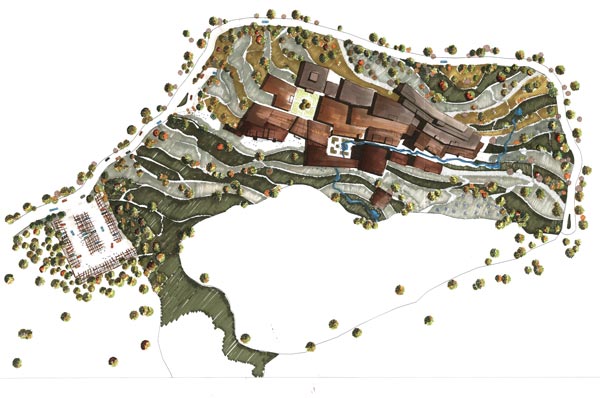
The project planning, as proposed by the design and consulting teams, outlines the following key functional and spatial elements—each intentionally developed to support the project’s overall vision, use patterns, and long-term sustainability. Situated on a 4-acre site, the masterplan allocates approximately 13,600 square meters for built environment development. This spatial configuration is thoughtfully designed to balance architectural footprint with landscape integration, ensuring both functionality and ecological sensitivity are maintained throughout the site.

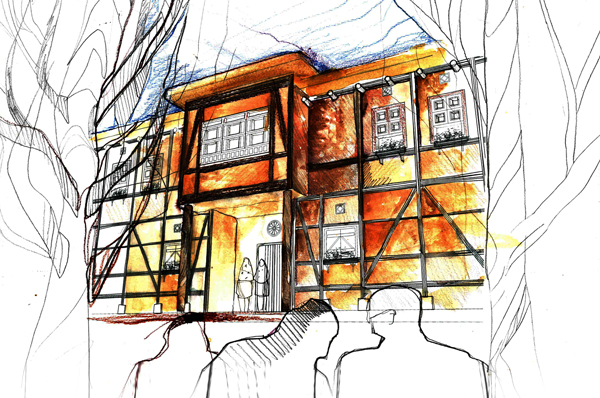
Guest Residences

Designed to host a diverse group of visitors, including eco-tourists, wellness travelers, archaeologists, sports and adventure tourists, hikers, and researchers in agriculture and demography, among others.

Wellness Center

A serene, purpose-designed space offering holistic wellness experiences rooted in nature, tradition, and mindfulness. The center includes spa therapies, meditation and yoga sessions, herbal treatments, and wellness workshops inspired by local practices. Surrounded by the region’s natural beauty and healing landscapes, it serves as a sanctuary for rest, rejuvenation, and inner balance, catering to wellness tourists seeking physical, emotional, and spiritual renewal.

Herbal Production Workshops

Dedicated spaces for the preparation, demonstration, and small-scale production of herbal remedies and natural wellness products, rooted in local knowledge and traditional practices.

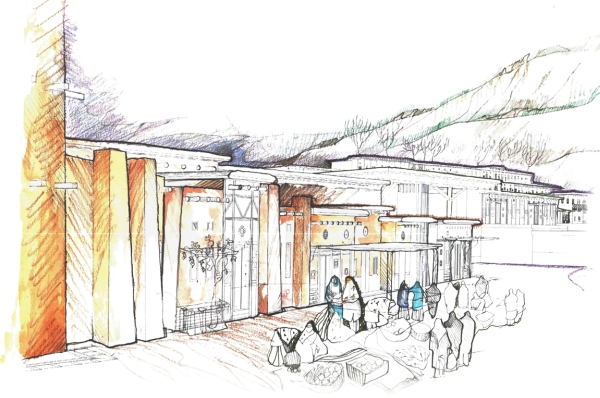
Community Local Markets

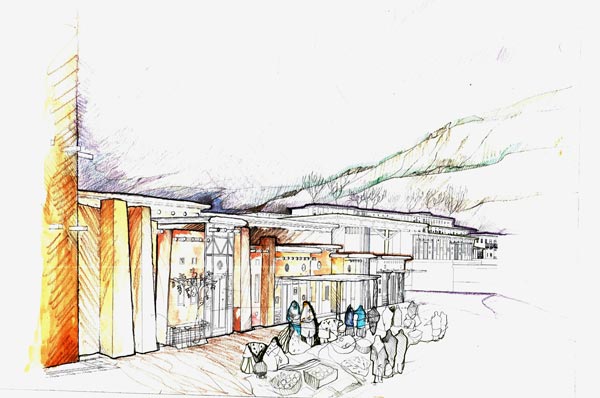
Includes permanent indoor and daily outdoor markets for selling local agricultural produce, artisanal foods, and handcrafted goods—supporting the local economy and cultural exchange.

Sports and Wellness Center

Indoor and outdoor facilities designed to support recreational activities, physical fitness, and holistic well-being for both residents and visitors.

ICT Center, Digital Access Hub

A technology and learning hub connecting the local community with global networks—supporting cultural exchange, enabling digital marketplaces for local products, and fostering tourism-supporting enterprises.

Interactive Learning Hub

A center dedicated to hands-on learning for both tourists and the local community. It empowers the local community—especially youth—with practical knowledge in entrepreneurship, sustainable tourism, agriculture, digital tools, and e-commerce. For visitors, it offers immersive experiences in local culinary traditions, herbal practices, and farming techniques, creating meaningful cultural exchange through participatory, place-based education.

Multipurpose Auditorium

A flexible indoor venue designed to host a wide range of activities—including seminars, community gatherings, public events, festivals, and collaborative sessions—complementing the outdoor courts and supporting year-round engagement across functions.

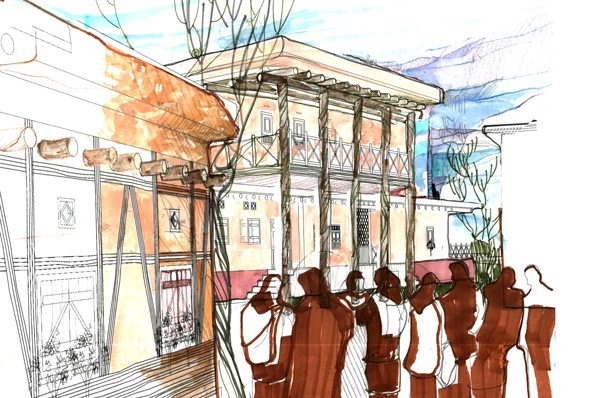
Community Gathering Courts

Open-air spaces designed for social interaction, storytelling, ceremonies, and shared cultural activities— driving regenerative placemaking and strengthening community ties and visitor engagement.

Agriculture Fields, Garden Zone

Multi-functional gardens cultivated with herbal and edible plants, enabling participatory experiences for eco-tourists, agri-tourists, and researchers while supporting local food and the rich regional herbal products.

Eco-Friendly Access and Parking

Underground parking facilities for daily services, paired with landscape-integrated edge-zone boundary parking at the village boundary, preserving walkability and maintaining a car-free core.